

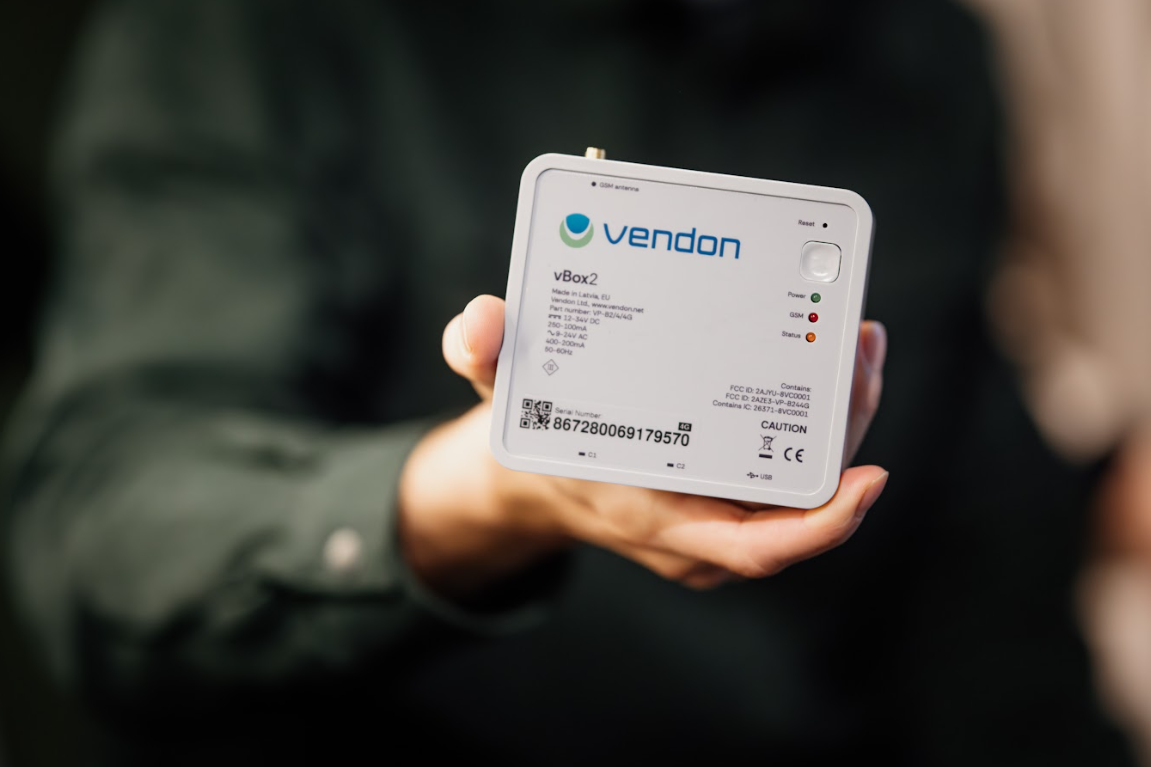
Short answer: IoT telemetry pays for itself in three ways. It cuts costs by removing work that earns nothing, it helps you earn more from every machine, and it stops leaks of cash and stock that disappear unnoticed.
It works by connecting every vending machine to a cloud platform such as Vendon Cloud, which reports stock, sales, cash and technical status in real time. In 2026 that goes well beyond stock alerts: you can plan better routes, run the fleet with fewer staff, test prices, and even run loyalty campaigns.
But the case for telemetry starts with money you are already losing. Drives to full machines, overtime, empty best-seller slots and cash that never reaches the depot rarely show up as a line on an invoice, so they are easy to miss. Here is where that money goes.
| Problem | What it costs you |
|---|---|
| A machine or payment device stops working, and nobody knows |
|
| Spirals run empty at peak hours |
|
| Drivers visit machines that are still full |
|
| Prices and stock stay the same when a nearby event drives demand |
|
| Best-sellers sell out while slow movers sit |
|
| Collected cash doesn't match what the machine sold |
|
| Stock expires and admin eats hours |
|
| Products are placed on gut feeling |
|
1. If a machine fails, you know instantly
You know a machine is down before your customer does, not at the next visit.
Without telemetry, a broken machine is silent. It stops earning, and you find out when a driver arrives or the site manager calls to complain. Vendon Cloud monitors every connected machine and its payment devices in real time, and sends an alert to your email or the Vendon Mobile App the moment something goes wrong.
| Area | The alert tells you |
|---|---|
| Payments | A card reader or cash system stops accepting payments |
| Stock | A product is about to sell out |
| Coins and notes | A coin or note mechanism reports an error |
| Temperature | Cooling drifts out of range |
| Sales pattern | Transactions stop or look unusual |
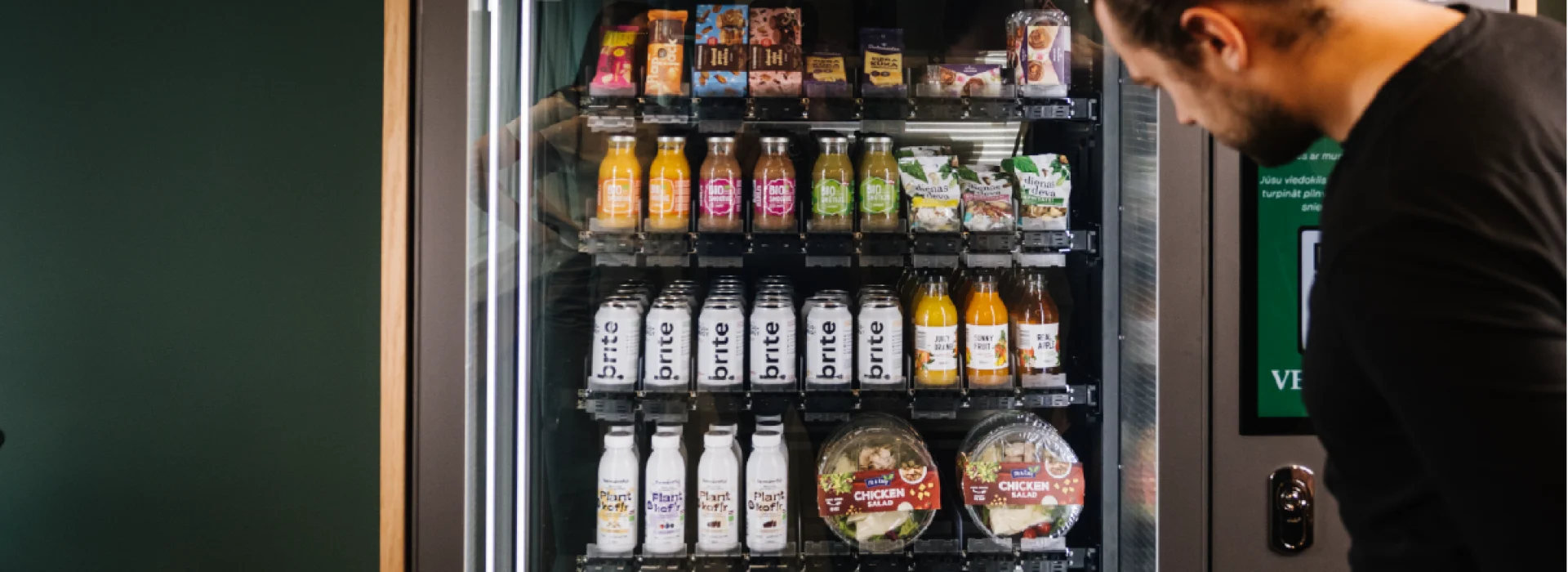
2. You're not paying drivers to visit full machines
Every visit to a machine that didn’t need you is fuel and wages spent for nothing. Vending telemetry removes those visits.
Fixed routes send the van to every stop, whether a machine is empty or still half-full. Vendon Route Planning decides which machines get a visit from three live signals: stock levels, cash levels and open tasks. Machines that are full or were recently visited drop off the route.
| Machine | What the data shows | Today |
|---|---|---|
| Train station | Stock is running out | Visit |
| Gym lobby | Cash box is full enough to collect | Visit |
| Office | 82% stocked, nothing due | Skip |
| Hospital café | 90% stocked, nothing due | Skip |
Operators using Vendon Route Planning cut unnecessary visits by 65%, saving fuel, time and tens of thousands every year.Source: Vendon Route Planning
There’s a second saving in the warehouse. Vendon Cloud builds a pick list for each machine and shows where every product sits on the shelf, so packing is quick. More importantly, you can see in advance what every machine will need, so you buy only that. There’s no need for a large buffer stock, and less of your money sits on warehouse shelves. Kaffeemax, which runs more than 500 machines, now operates a much smaller warehouse because it orders goods only when they’re needed.
3. You scale without adding cost
Route planning saves fuel on each route; this saves headcount across the fleet. Telemetry lets the same team cover more machines, so winning new locations doesn’t mean hiring at the same rate.
Hensing in Germany manages several hundred vending machines through its own operations and subsidiary. Before telemetry, refill teams risked arriving too early, arriving after products had sold out, or carrying stock nobody needed.
The four questions Hensing answers from live data before every refill
- 1. What has sold?
- 2. What is still in stock?
- 3. What needs refilling?
- 4. What should happen next?
Kaffeemax runs 30% more machines with the same employees than it could without telemetry, according to CEO Rainer Sauer. The German operator runs more than 500 vending machines with Vendon.Source: Kaffeemax case study
4. You see which products earn the most: space vs. margin
Your best-selling product is not always your best earner. Telemetry shows which products deserve their slots, and which are just taking up room.
Slot space is the scarcest thing in a vending machine, yet layouts usually grow out of habit: a product has three slots because it always had three. Vendon Cloud sales reports let you check every product: how much space it takes, how many items it sells and how much money it brings in. The result often surprises operators. The products that sell the most can bring in less money than expensive products that sell less.
One operator running three snack machines put eight months of Vendon Cloud data through that test and found both problems at once. Six products were not earning the space they had. A local beer was selling 139% more than its share of space justified, and customers kept finding it sold out.
| Product group | Space it takes vs. value it brings | What it means |
|---|---|---|
| Cheap snacks | SpaceValue | Take the most space but bring little of the value |
| Trendy beverages | SpaceValue | Sell far more than their small space allows |
| Premium products | SpaceValue | Take little space but bring most of the value |
The premium product earned almost six times more per slot than the cheap snacks, a gap a units-only ranking would never have shown.Source: Vendon customer, eight months of Vendon Cloud sales and profit data
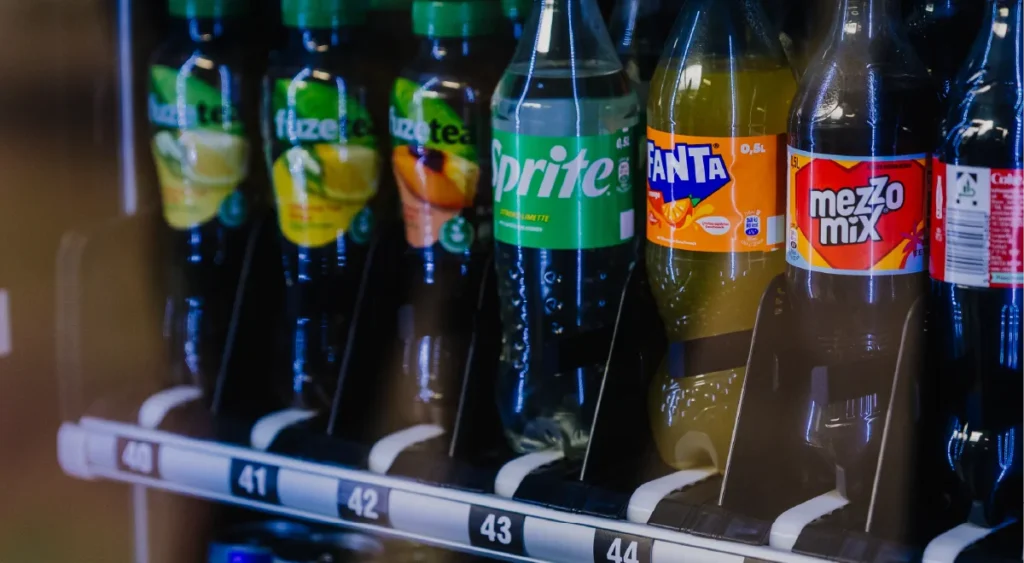
5. You can test prices without losing customers
Most operators leave margin on the table because a price rise feels risky. Telemetry lets you test it first.
With telemetry, prices change remotely and the effect on sales is visible right away, so a price rise becomes a controlled test instead of a gamble.
A Vendon client tested a 20% price increase and found it did not affect sales volumes at all. Every sale from those machines now earns more, with no extra work.Source: Vendon blog: 5 challenges to increase vending sales
The same works for demand you can see coming. When a concert, match or trade fair is about to fill the streets around one of your machines, the Vendon Cloud Price Change Scheduler lets you set event prices in advance, for that machine only, and switch back automatically when it’s over.
16:00
23:00
| Schedule | When | Where | Action |
|---|---|---|---|
| Schedule 1 | Saturday, 16:00 | Stadium machine only | Apply event prices to cold drinks and snacks |
| Schedule 2 | Saturday, 23:00 | Stadium machine only | Restore regular prices to the same products |
6. You stop losing sales to broken machines and costly callouts
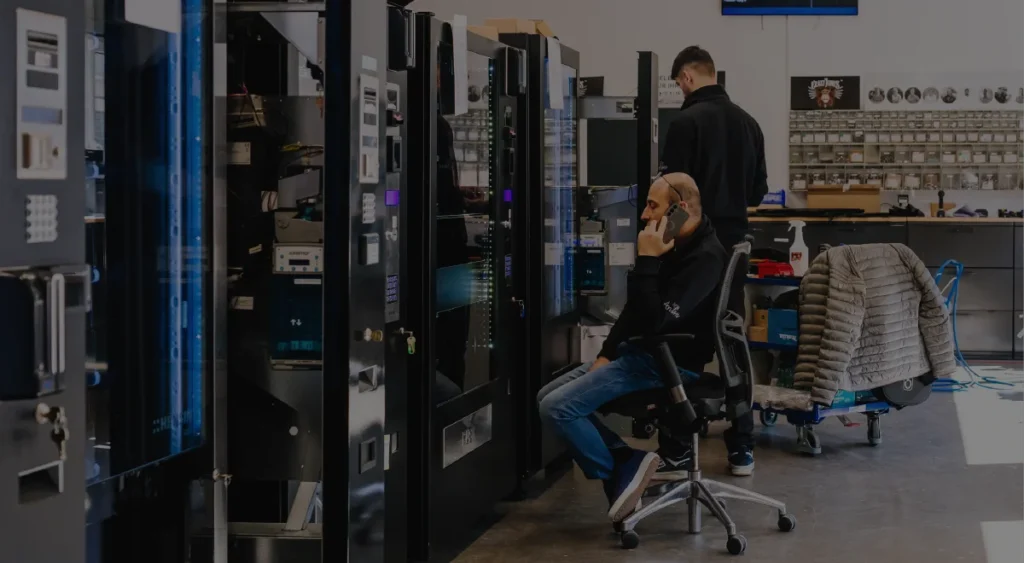
A broken machine earns nothing until someone notices. With telemetry, you notice first and often fix it without leaving the office.
| Stage | Without telemetry | With Vendon telemetry |
|---|---|---|
| How you find out | At the next scheduled visit, or when the site calls to complain | Instant alert by email or the Vendon Mobile App |
| First fix attempt | A technician drives out, often not knowing the fault or which tools to bring | Remote restart via the Remote Reboot plug, no site visit |
| Sales while broken | Lost until someone arrives | Machine back to selling sooner |
| Before it breaks | No warning | Warnings such as a slowing motor or unstable temperature |
Alerts tell you a machine has stopped. Preventative maintenance goes one step further: Vendon Cloud schedules service based on how much each machine is actually used, not on a fixed calendar, and flags warning signs such as a slowing motor or unstable temperature before they turn into a breakdown.
Vendon reports 50% less downtime with preventative maintenance: more hours selling, fewer emergency repairs, longer machine life.Source: Vendon Preventative Maintenance
7. You find the cash that goes missing
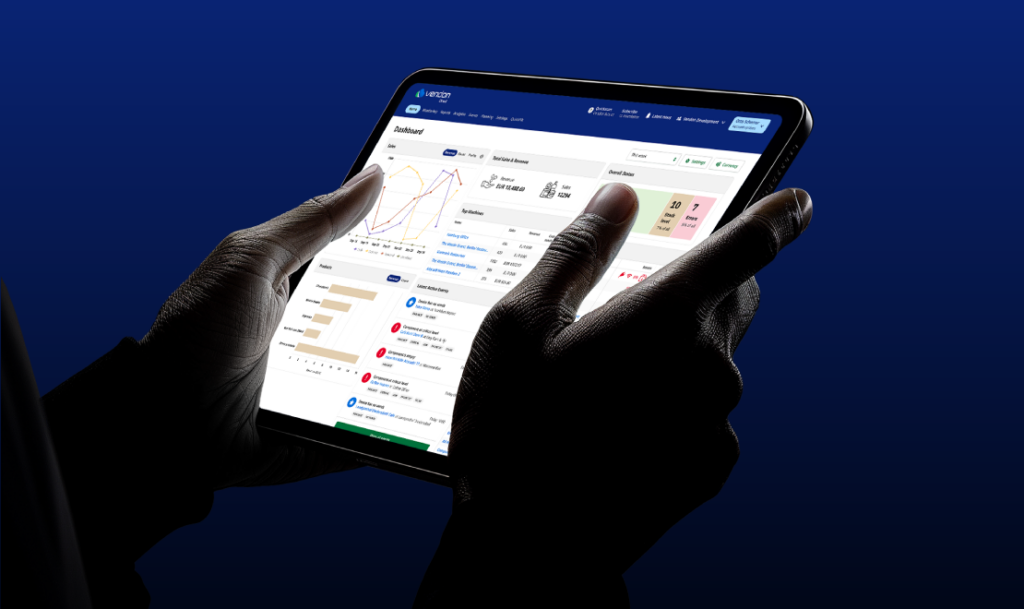
If you can’t prove what should be in the cash box, you can’t prove anything is missing. Vending telemetry can.
With manual cash collection, the machine may sell more than comes back to the depot, and nobody can prove it.
How Vendon checks every cash collection, in three steps
Takeaway: every collection is compared with what the machine sold, so any gap is flagged immediately with who, where and how much.
Step 1: Expected cash
Machine sales data tells Vendon how much cash should be in the box.
Step 2: Counted cash
The collector scans the bag, links it to the machine and enters the counted value.
Step 3: Gap flagged
Any discrepancy is flagged instantly, with the collector, location and amount.
Summary: the 7 benefits at a glance
The seven benefits fall into three groups. Two cut costs by removing work that earns nothing. Three help you earn more from the machines you already run. Two stop leaks: sales, cash and stock that disappear without anyone noticing. Here is each benefit, its group and the proof behind it.
| Benefit | Money effect | Proof |
|---|---|---|
| 1Know instantly when a machine fails | Stop leaks | Instant alerts by email or the Vendon Mobile App |
| 2Stop paying drivers to visit full machines | Cut costs | 65% fewer unnecessary visits (Vendon Route Planning) |
| 3Scale without adding cost | Cut costs | 30% more machines with the same staff (Kaffeemax) |
| 4Give slots to best earners, not best sellers | Earn more | Premium product earns ≈6× more per slot than cheap snacks (Vendon customer) |
| 5Test prices without losing customers | Earn more | +20% price, no drop in volume (Vendon client) |
| 6Stop losing sales to broken machines | Earn more | 50% less downtime (Vendon preventative maintenance) |
| 7Find the cash that goes missing | Stop leaks | Expected vs. collected cash checked on every collection (Vendon Cash Control) |
Is vending telemetry paying for itself? Check these five numbers.
Compare them before and after switching on telemetry.
| Metric | What to compare |
|---|---|
| Fuel and wages | Visits per week, and how many were to machines that didn't need it |
| Lost sales | How often best-sellers ran out, and hours machines were down |
| Margin | Revenue per machine before and after a price test |
| Leaks | Gaps between expected and collected cash; expired stock written off |
| Time | Hours per month on reconciliation and reporting |
If these numbers aren't moving, the platform isn't earning its fee.
Frequently asked questions
How does IoT telemetry increase vending machine revenue?
Telemetry shows what sells, what doesn’t, and when machines need attention. Use it to replace slow sellers, test prices, match products to each location and time, and service machines only when needed. Every decision is based on real data, and better decisions are where the extra revenue comes from.
How does telemetry reduce vending operating costs?
It removes visits to machines that don’t need service, lets the same team cover more machines, and cuts emergency repairs. Vendon reports 65% fewer unnecessary visits for operators using its Route Planning.
Can I fix a vending machine remotely?
Many faults can be fixed with a remote restart. Vendon’s Remote Reboot plug restarts machines without a site visit.
Does vending telemetry work with different machine brands?
Yes. Vendon works across mixed fleets of vending, coffee and espresso machine brands. Remote price changes need machine support for MDB, EVA-DTS, CCI-CSI or Executive/BDV protocols.
Where is Vendon telemetry used?
Vendon supports operators in more than 90 countries.