
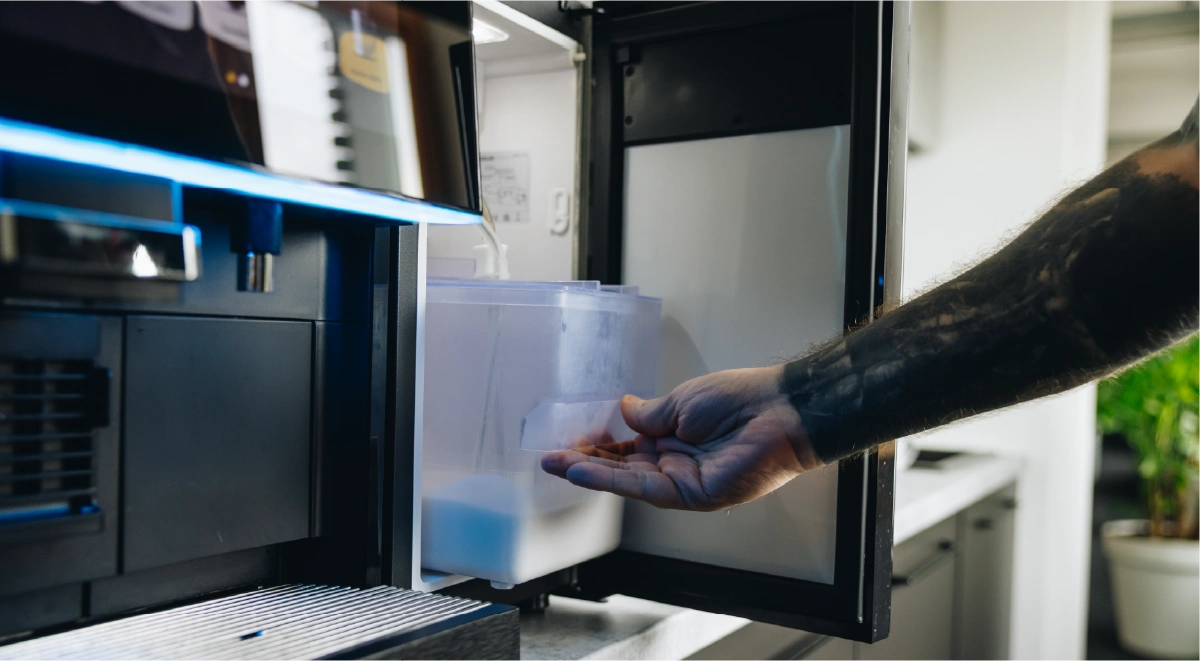

In the busy headquarters of a global company with over 55,000 employees, the efficient operation of more than 500 coffee machines is essential to keep thousands of employees fueled throughout the day.
Committed to employee well-being and sustainability, the company aimed to improve the office experience while optimizing operations—and partnered with Vendon to gain better visibility.
Company profile
- Global enterprise with 55,000+ employees
- 500+ coffee machines across multiple locations
- High daily consumption with continuous demand throughout the day
- Focus on employee experience and sustainability
At this scale, even small inefficiencies don’t stay small—they multiply quickly across machines, locations, and routines.
The problem company wanted to address
Over time, the customer realized that key parts of their operations—maintenance, refilling, and ingredient usage—were managed without clear oversight.
Everything relied on facility management routines, with no data to verify what was actually happening.
A pilot to see what’s really happening
To move beyond assumptions, the company launched a two-month telemetry pilot across nine machines in different locations.
The goal was to:
- uncover real operational insights
- implement data-driven improvements
- identify cost-saving opportunities
- support sustainability efforts
What followed was less about isolated problems—and more about patterns that had gone unnoticed for years.
What the data revealed – more than expected
1. Average downtime per machine: 42 minutes
One of the first findings was surprise for a company.
Machines were unavailable for an average of 42 minutes—not due to major technical faults, but recurring minor events.
Telemetry flagged repeated “door open” alerts.
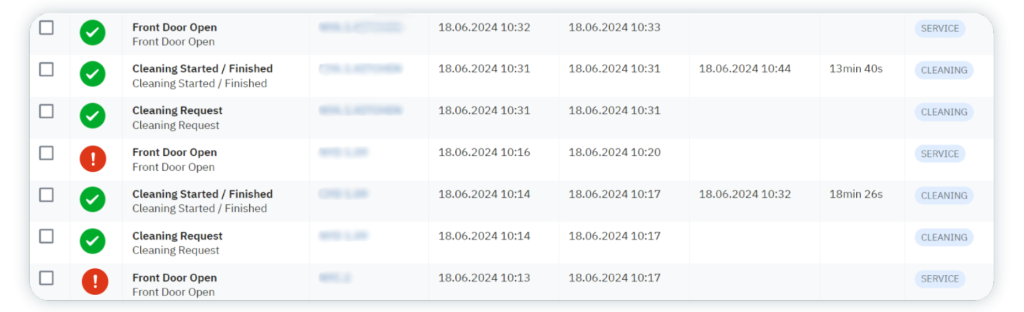
After discussing this data pattern with our Customer and facility managers, we discovered that the doors had issues for some time. However, no one had reported the problem and everyone just continued with their daily routine.
What stood out wasn’t the issue itself—but the fact that it had been normalised.
Once addressed, downtime dropped to 12 minutes.
2. 660 liters of milk lost—within 2 months
The most striking finding came from ingredient tracking – analysis revealed a major issue:
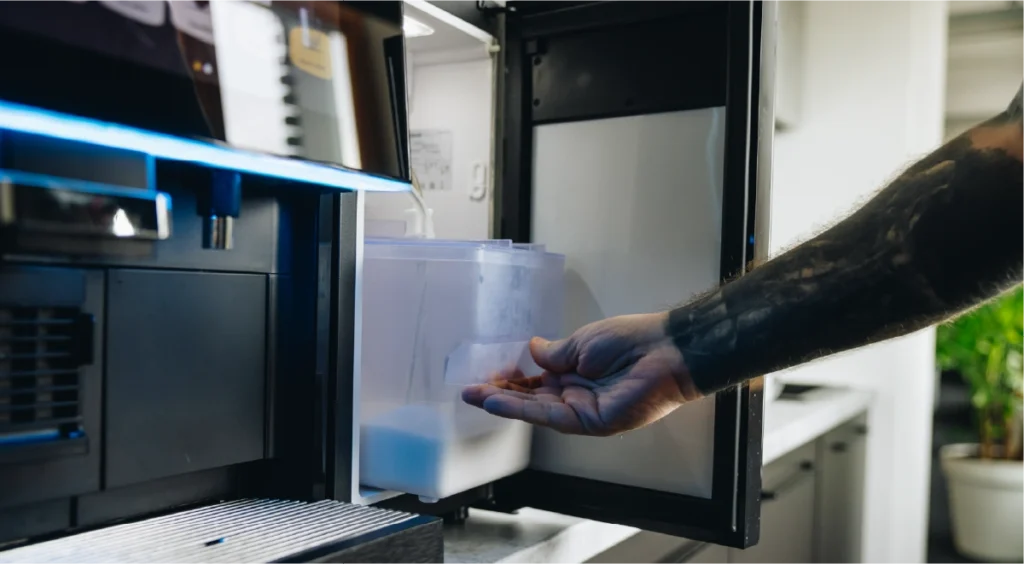
In just two months, nearly 660 liters of milk were wasted.
Not due to spoilage in storage or supply issues—but daily operational routines:
- machines cleaned during lunch, even after fresh refills
- end-of-day cleaning often skipped
- milk repeatedly discarded during cleaning cycles
Individually, these actions seemed reasonable. Together, they created a continuous waste loop.
This highlighted the importance of aligning cleaning schedules with actual usage and refilling patterns to reduce waste and support sustainability goals.
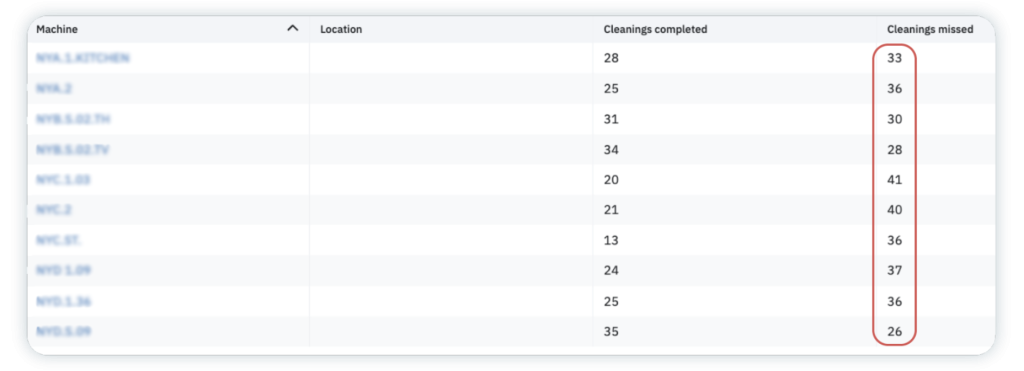
3. 50% of cleanings that were needed were skipped
Cleaning data revealed a second layer of inefficiency.
- 256 cleanings completed
- 343 cleanings missed
More than half of required cleanings didn’t happen.
The result was predictable:
- increased technical issues
- inconsistent coffee quality due to dirty milk systems.
Additionally, cleaning was often done during peak usage times, instead of quieter periods—further impacting service availability.
4. Machines were refilled 4 times a day – way too often
Refilling routines showed a different kind of inefficiency.
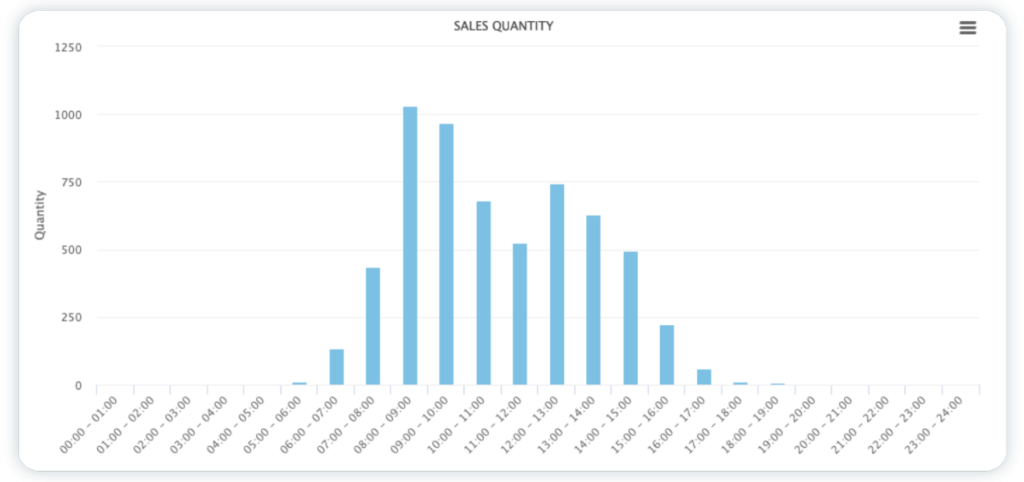
Machines were being serviced up to four times per day, regardless of actual consumption.
No data. No demand-based logic.
Based on usage data, Vendon proposed a more structured approach:
- fully refill and clean machines in the late afternoon (5–6 PM)
- ensure machines are ready for peak demand the next day
Additional improvements included:
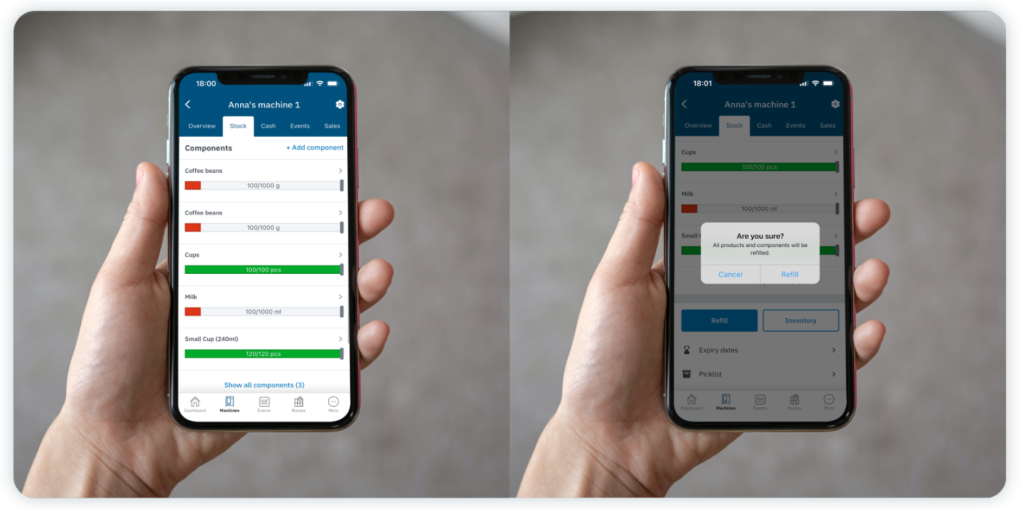
- using Vendon Mobile to track exact refill quantities
- adjusting container sizes to match consumption
- reducing unnecessary service visits
Data also revealed peak consumption periods and product preferences. One clear insight: oat milk showed strong demand, confirming its relevance.
5. 70 kg of coffee beans – missing
The final discrepancy appeared when comparing consumption with refill data.
Around 70 kilograms of coffee could not be accounted for.
There was no single cause—just a familiar pattern:
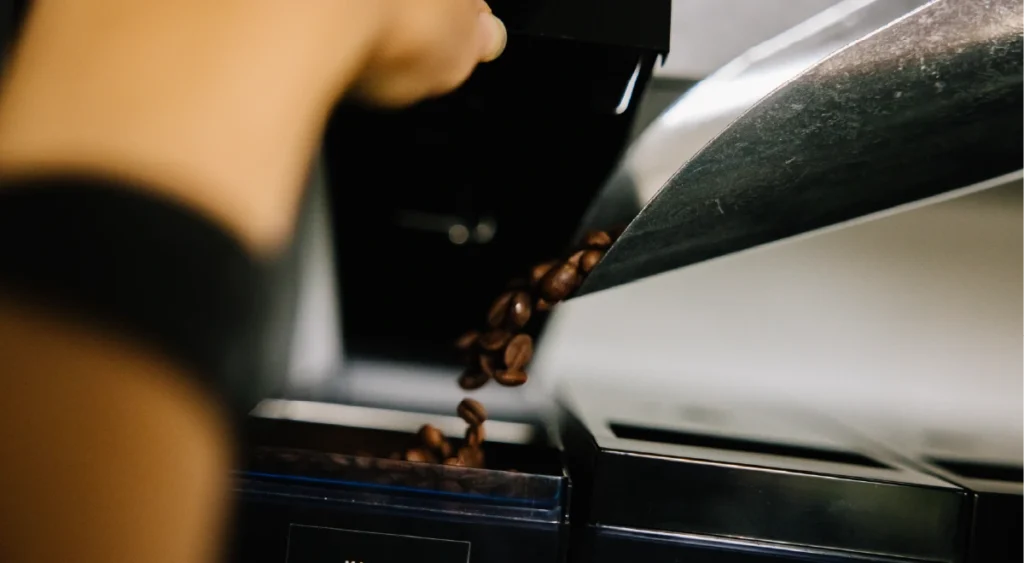
- small, frequent refills
- manual estimation
- no precise tracking
Individually, the differences were minor. Over time, they added up.
With Vendon Mobile and OCS Warehouse:
- every refill is recorded
- stock levels are aligned with actual consumption
- manual errors are reduced
The customer is now testing automatic ordering based on real usage data.

What this case shows is not unusual
In large coffee operations, inefficiencies rarely come from major failures.
They come from small, repeated actions that go unmeasured.
- a door that’s never reported
- a cleaning step that’s skipped
- a refill that’s “just in case”
Individually, they don’t stand out.
Together, they define performance.
The next steps for a company
With clear visibility in place, the company is now moving forward with:
- standardized cleaning and refill processes
- precise ingredient tracking
- testing automatic ordering based on consumption
- reducing waste and improving sustainability
The key shift is simple:
from managing machines → to managing operations with data.